

Old, Decaying Wood Creates the Perfect Home for Insects and Small Animals
Tree stumps attract termites and other pests because they provide food, moisture, and shelter in one place. When a tree is cut down, the stump begins to break down. As it rots, it holds water and soft wood fibers that many insects love to eat. In places like Verona, PA, warm weather and damp soil can make the problem worse. If the stump sits close to your home, pests may move from the yard to the house.
Common Symptoms of a Pest Problem Around a Stump
You may not notice insects right away. Many pests stay hidden inside the wood or under the soil. Still, there are clear signs that a stump is becoming a problem.
- Small mud tubes running along the stump or nearby ground
- Hollow sounds when you tap the wood
- Swarms of flying insects near the stump
- Piles of wings left behind by termites
- Soft, crumbling wood that breaks apart easily
If you see any of these signs, the stump may already be infested. Ignoring it can allow pests to multiply. Over time, they may spread to fences, decks, or even your home’s frame.
Why Tree Stumps Attract Termites and Other Pests
Several factors make a stump very appealing to insects and rodents. The biggest reason is food. Termites feed on cellulose, which is found in wood. A dead stump is an open food source that does not fight back.
Moisture is another key factor. As the stump decays, it traps rainwater and humidity. Damp wood is easier for termites to chew through. Ants, beetles, and other insects also prefer soft, wet wood.
Shelter plays a role too. A stump provides shade and protection from wind and predators. Small animals like mice may burrow under it. Once pests settle in, they often expand their colony.
What to Check First If You Have a Stump
If you have an old stump in your yard, take a close look. Start with these simple checks:
- Inspect the surface for cracks or holes.
- Look at the base where the stump meets the soil.
- Check nearby wooden structures for early damage.
- Probe the wood gently with a screwdriver to test softness.
If the wood feels spongy or breaks apart, it is already decaying. That decay invites more pests. The longer it remains, the more likely insects will grow in number.
Safe Fixes Versus Professional Solutions
Some homeowners try to handle stumps on their own. Digging around the stump or applying store-bought treatments may slow insect activity. However, these methods rarely solve the root problem. The stump remains in the ground, and decay continues.
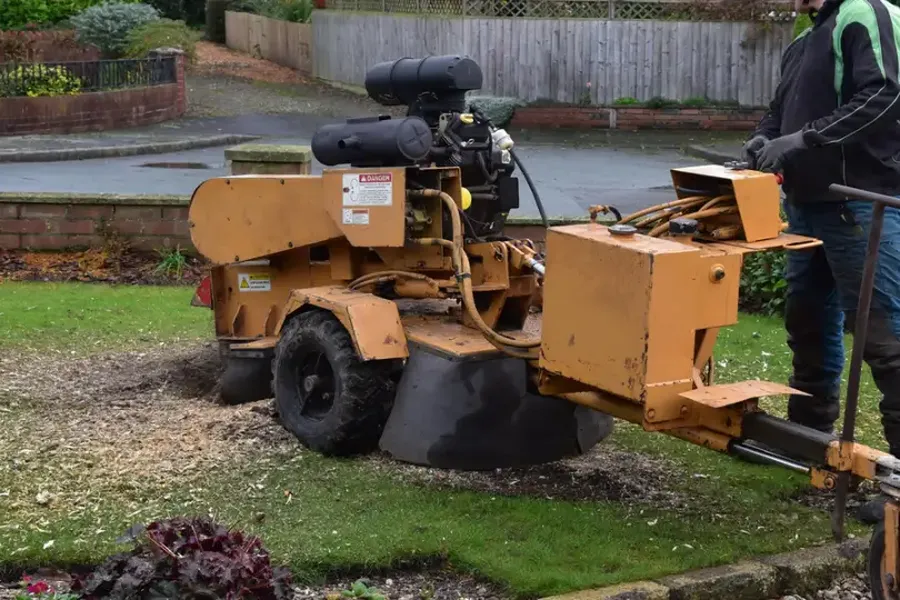
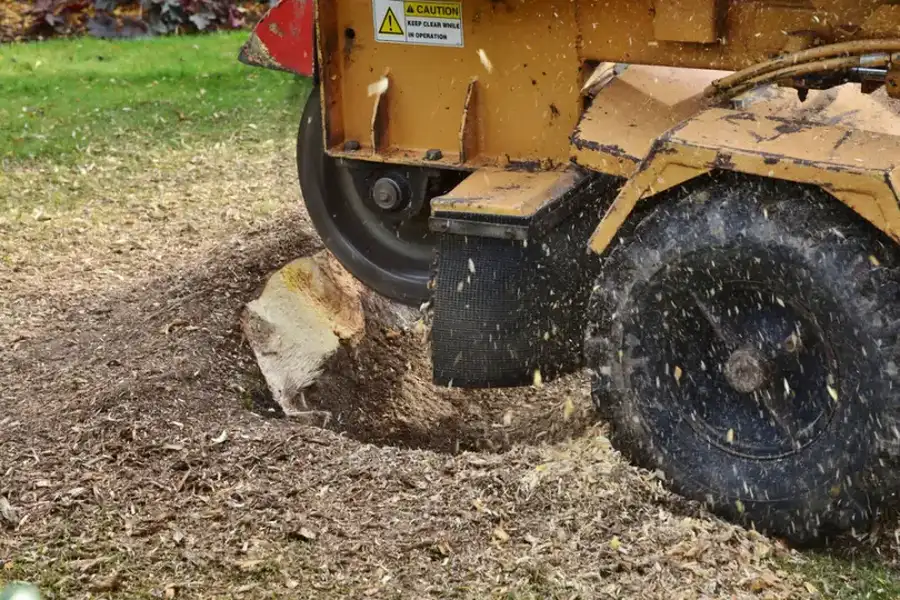
A more lasting solution is removing the stump completely. This is where a stump grinding service becomes useful. Grinding breaks the stump into small wood chips below ground level. Once the main wood mass is gone, pests lose their food source.
A trained crew uses specialized equipment to grind the stump safely and evenly. This type of service often falls under professional tree care and related outdoor services. It is faster and safer than trying to remove a stump by hand.
How to Prevent Future Pest Problems
Prevention starts with proper yard care. If you plan to cut down a tree, think about stump removal right away. Letting it sit can create issues later.
- Remove stumps soon after tree removal.
- Keep firewood stored away from your home.
- Maintain good drainage in your yard.
- Inspect wooden fences and decks each year.
- Schedule a stump grinding service if you notice decay.
Healthy landscaping also helps. Trim plants away from your home’s foundation. Keep soil from piling up against wooden siding. Small steps like these reduce the chances of termites moving indoors.
Professional Help for Lasting Results
If you have an old stump that shows signs of decay or insect activity, it may be time to act. At Flaherty Tree Service LLC, we help homeowners throughout Verona, PA remove problem stumps before pests spread. Our team uses safe equipment and proven methods to eliminate the food source termites rely on. If you would like guidance about your yard, call us at (412) 227-9758 and we will be glad to help.